Aldi's $4 Almond Butter Sparks Luxury Basement Grocery War
Aldi hides a discount grocery in a Manhattan luxury building's basement, selling $4 almond butter to wealthy New Yorkers in a bold expansion move.
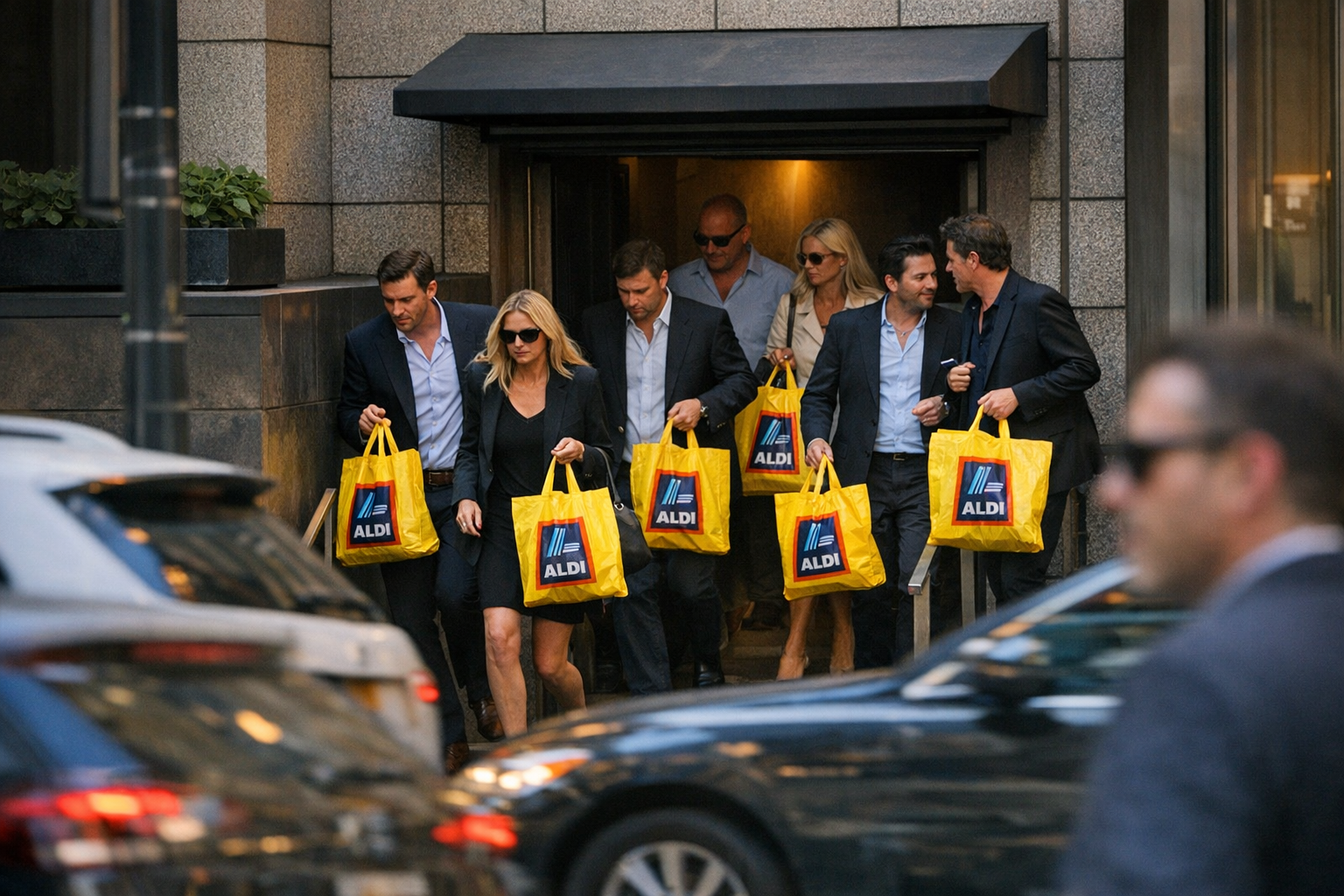
Forget the caviar and champagne—the hottest ticket in Manhattan’s elite underground scene isn’t a speakeasy, but a German discount grocer hiding in a luxury building’s parking garage. Aldi, the notoriously no-frills supermarket chain, has planted its flag in the basement of The Ellery, where rents start at a cool $5,000 a month, and the residents are apparently swapping Whole Foods for jars of almond butter priced at a scandalously low $4.
It’s a retail heist happening right under the noses of the city’s one-percenters. The building’s own curated neighborhood guide pointedly ignores its basement tenant, preferring to highlight pricier neighbors. But step downstairs, and the scene is pure chaos: a lunchtime crush of New Yorkers clutching oversized bags, navigating narrow aisles in a frenzied hunt for organic raspberries and cheap staples. It’s a spectacle of high-low living that even the savviest socialite couldn’t invent.
This isn’t just a pop-up; it’s the opening salvo in a $9 billion American invasion. Aldi plans to unleash 800 new stores in just five years, specifically targeting dense, moneyed urban cores. The strategy? Seduce the suddenly budget-conscious wealthy, who’ve been burned by years of inflation and are now ‘secret shopping’ alongside the masses. Data reveals Aldi is successfully poaching households earning up to $125,000—a demographic once loyal to fancier aisles.
But can the ‘submarine,’ as one analyst calls Aldi, really sink the ‘battleship’ that is Walmart? The retail Goliath controls 20% of the grocery market to Aldi’s mere 2.9%. The secret weapon is a ruthless, scalpel-like efficiency: a limited selection of mostly private-label goods that keeps costs lower than a MetroCard swipe. Yet, in Manhattan, Aldi faces its kryptonite: astronomical real estate costs and a ’logistical symphony’ of midnight truck deliveries with two-driver teams just to navigate the city’s impossible streets.
For shoppers like 79-year-old Mary Porter, who marveled at paying $4 for what usually costs $22, the corporate warfare is background noise. Her verdict, delivered from a subway car weighed down with cheap groceries: ‘By golly, it is amazing.’ The message is clear: in the battle for America’s wallets, the most dangerous weapon might just be a jar of nut butter priced like it’s 1999.
Original article: BBC News ▸