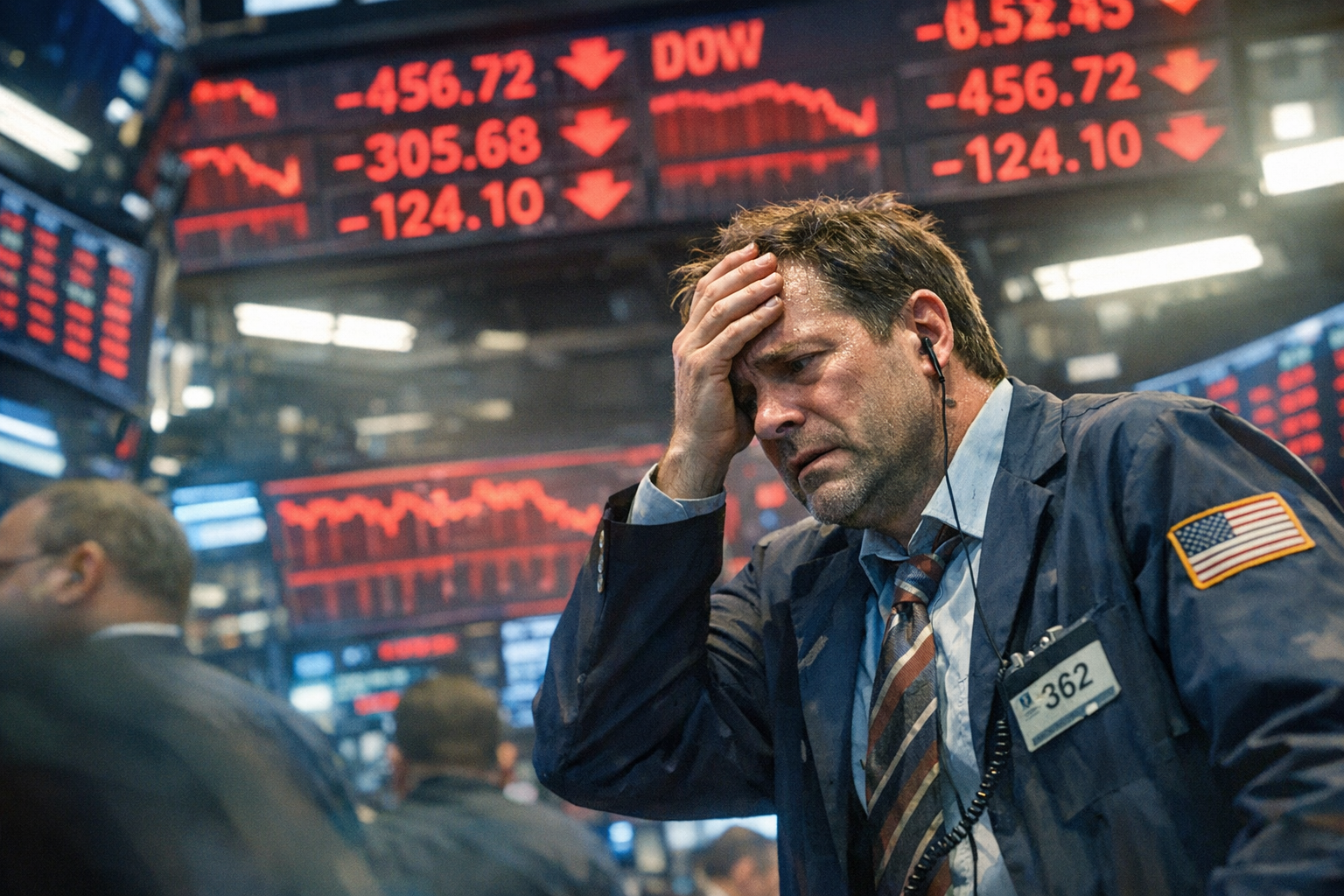
Beijing's $54 Billion Bribe Backfires as Stocks Implode
China's emergency cash infusion for banks and insurers fails spectacularly, sending stocks tumbling and exposing deep cracks in the financial system.
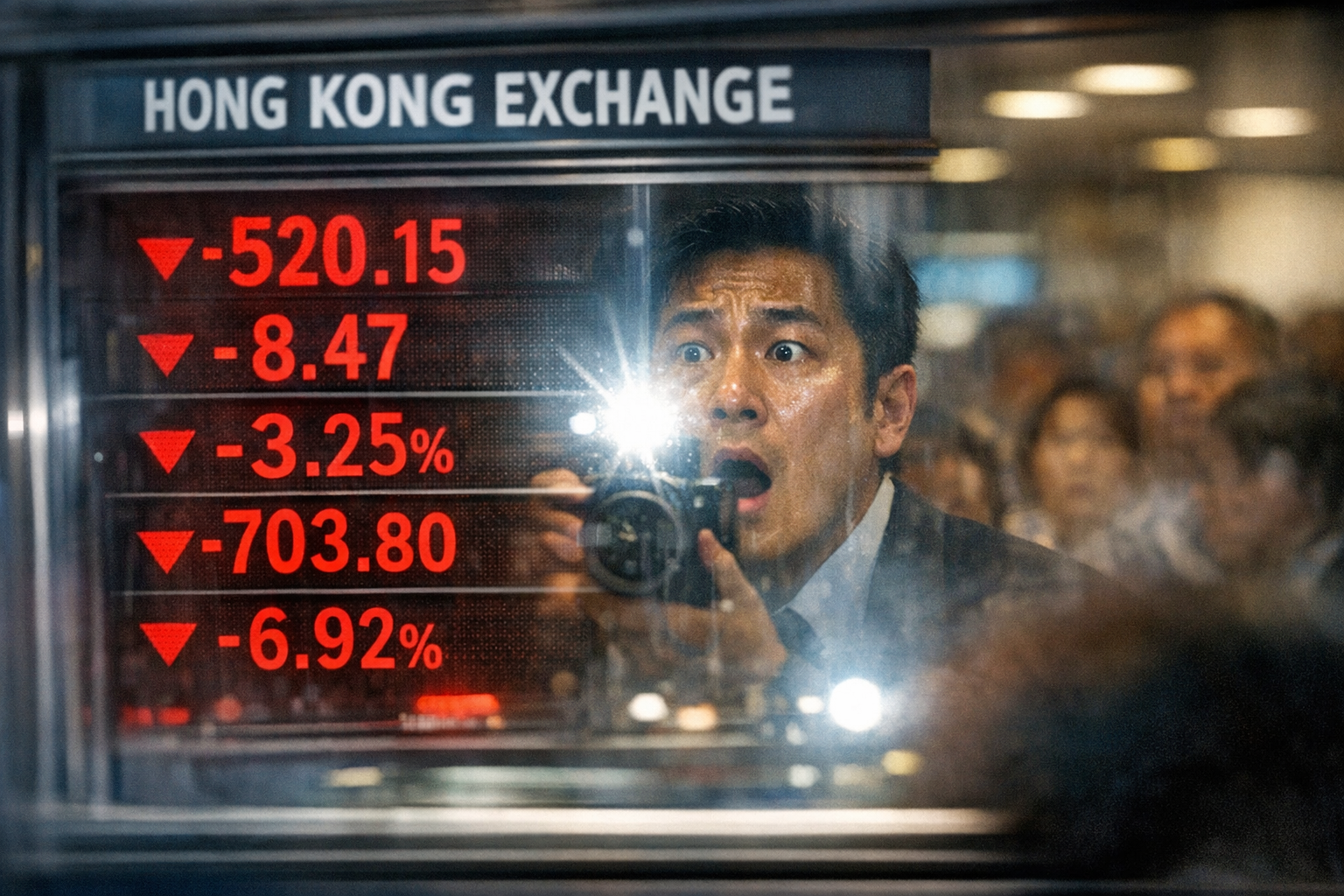
In a desperate move that screams more of a whimper than a war cry, Beijing just threw a paltry $54 billion at its wheezing financial titans—and the market responded with a thunderous, collective eye-roll. The so-called ‘capital injection,’ led by the ever-thrifty Ministry of Finance and, bizarrely, China’s tobacco monopoly, landed with the grace of a lead balloon. Hong Kong’s trading floors watched in horror as shares of Agricultural Bank of China and Industrial and Commercial Bank of China plummeted, proving once again that you can’t paper over cracks in the Great Wall with banknotes.
The insider scoop? This ‘restrained stimulus’ is a tell-tale sign of sheer panic behind the gilded doors of the Politburo. For the first time ever, they’re funneling cash into insurers, a clear admission that the rot has spread far beyond the banking sector. ‘It’s the first time Beijing has extended recapitalization to insurers,’ a source whispered, ‘as stress in the country’s financial system spreads.’ Translation: The contagion is officially out of control.
But here’s the real scandal: This bailout is peanuts compared to what the vampiric markets were thirsting for. Citibank insiders are calling it ‘downsized,’ a diplomatic term for ‘pathetically insufficient.’ While bureaucrats prattle on about ‘fostering growth’ and preparing lenders to fund their AI pipe dreams, the net interest margins—the very lifeblood of banks—have hit record lows. They’re essentially paying banks to lose money, a strategy so brilliant it’s borderline financial masochism.
And who’s the lucky recipient list? A who’s who of state-controlled zombies. China Life Insurance, China Taiping, Sinosure—all lining up for their slice of the taxpayer-funded pie. The Export-Import Bank of China got a direct 30 billion yuan ‘shot in the arm,’ which in reality is a transfusion for a patient that’s already bled out. Experts are blunt: ‘The capital injections are likely to have only a very limited short-term impact on the economy,’ said one economist, because the real problem isn’t a lack of capital; it’s that no one wants their rotten loans.
The bottom line? Beijing is performing emergency surgery with a butter knife. Growth is faltering, the official language has shifted from ‘better than expected’ to acknowledging ‘difficulties and challenges’—a euphemism for a looming disaster. They’re doing just enough to maybe, possibly, hit a growth target, while the entire financial sector teeters on the edge. This isn’t a rescue; it’s a farewell party with Monopoly money.
Original article: CNBC ▸