China’s Robot Army Has No One to Serve—An Awkward Silence
China's factories churn out humanoid robots by the thousands, but a shocking lack of real-world demand reveals an industry built on state-funded hype, not consumer desire.
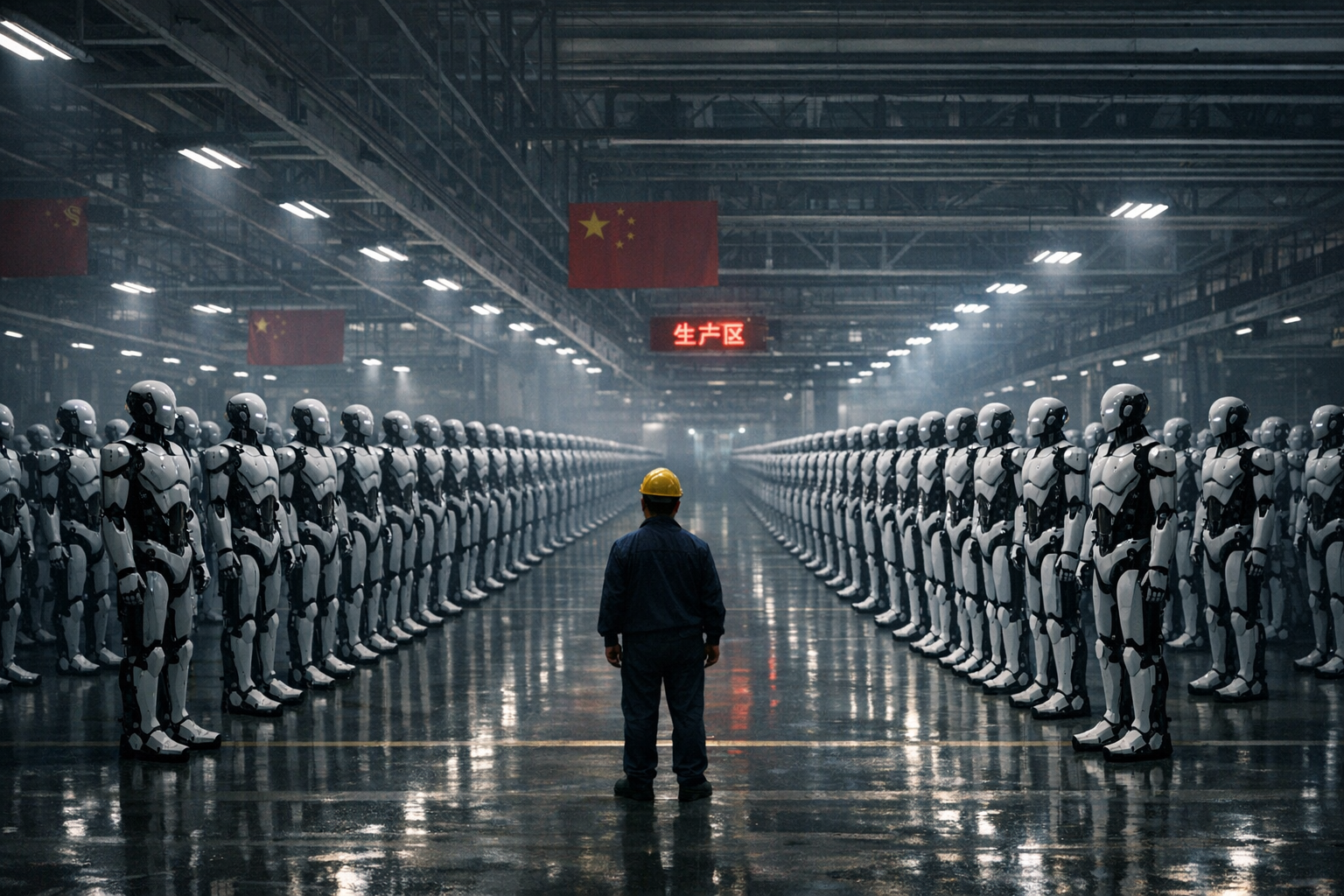
A dystopian comedy is unfolding in Beijing’s high-tech factories, where lines of eerily perfect humanoid robots roll off the assembly line into a yawning void of consumer indifference. Forget the sci-fi takeover; the real scandal is that nobody seems to want these $100,000 mechanical maids and backflipping butlers. China has mastered the art of building an artificial populace at scale, but the crushing punchline is a catastrophic lack of buyers.
Insiders whisper of a ‘robot bubble,’ inflated by billions in state mandates and desperate corporate FOMO, now threatening to burst. While officials tout thousands of orders, the cold truth is that these orders are largely from other government entities or research labs—a classic case of the state buying its own hype. The private sector is giving these chrome-plated valets a wide berth, finding them too fragile, too expensive, and frankly, a bit useless outside of a carefully staged demo video.
The humanoids, capable of dancing, boxing, and making a mediocre latte, are performative puppets, not practical partners. They balk at a messy room, flinch at unpredictability, and cost more than a luxury car. The dream of a robotic caregiver for grandma or a tireless factory worker remains exactly that—a dream, trapped in the uncanny valley between PR fantasy and commercial reality.
Meanwhile, the gossip from the factory floor is damning. The real stars are the anonymous workers, still human, who assemble the robot legs that may never walk into a real home. The CEOs, many Tesla alumni, spin tales of a ‘very large household market,’ but the only thing large is the gap between their projections and the public’s pocketbook. Early adopters who tried robot cleaners report they’re ‘a bit too big’ and ‘not that efficient’—a devastating review for a product meant to revolutionize domestic life.
The ultimate irony? As American rivals struggle with production, China’s real superpower—mass manufacturing—has become its most embarrassing liability. It can build a robot army, but the world isn’t buying what it’s selling. The robots await their purpose in silent warehouses, a monument to ambition outpacing sense, while the industry holds its breath, waiting for a demand that may never come.
Original article: Associated Press ▸