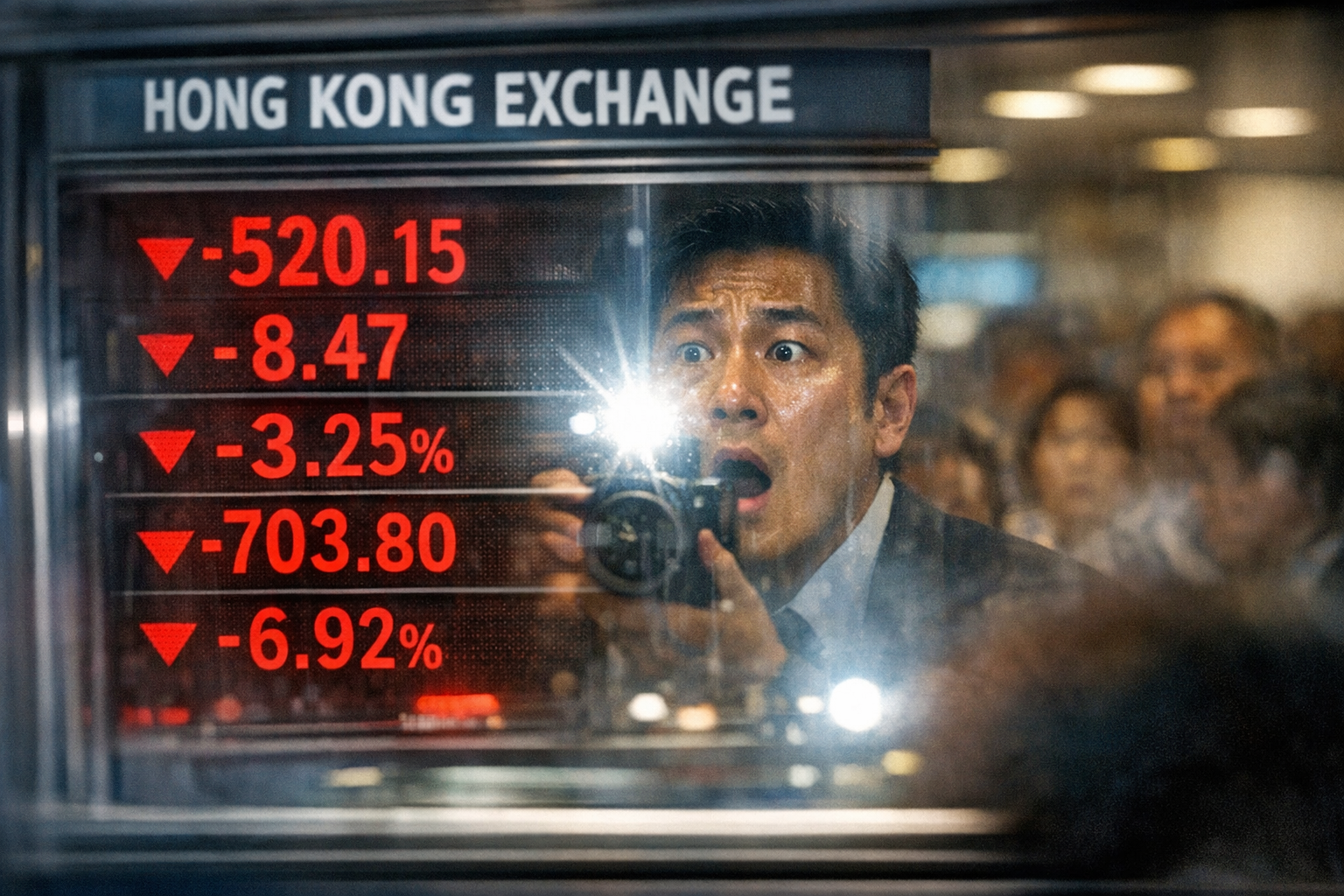
Government Bailouts Built Musk's Fortune—Taxpayers Funded Wild Ride
An explosive exposé revealing how Elon Musk's trillion-dollar empire was propped up by billions in taxpayer-funded loans, grants, and regulatory credits, raising questions about who truly bankrolled his ascent.
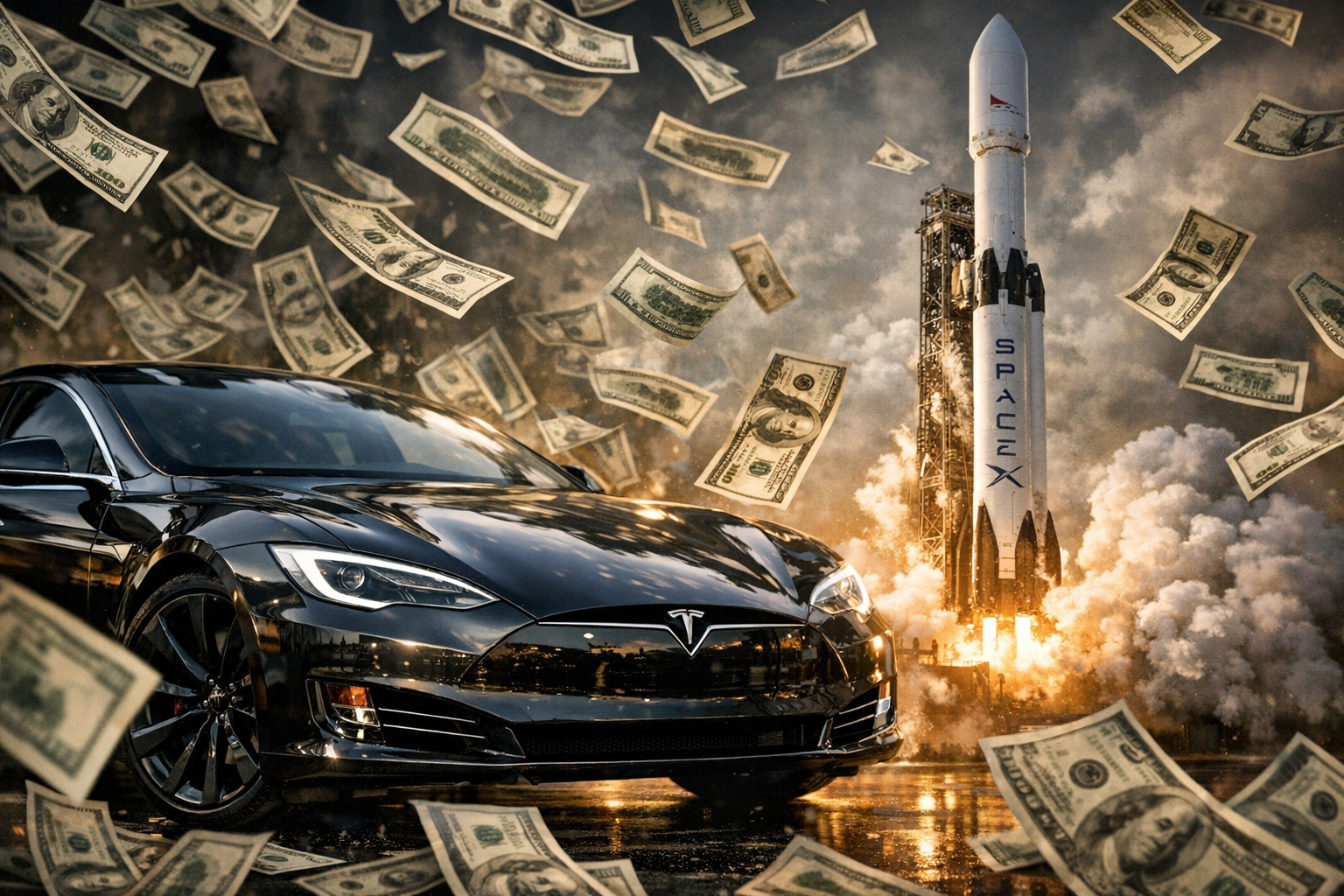
Behind the gleaming Teslas and roaring SpaceX rockets lies a scandalous open secret whispered on Wall Street: Elon Musk’s trillion-dollar empire wasn’t forged in the fiery crucible of pure capitalist genius, but nursed to health on the taxpayer’s dime. Forget the myth of the self-made maverick—insiders are spilling the tea that Uncle Sam was the original angel investor, pouring a staggering river of public funds into ventures that private money boldly deemed too risky.
Our deep dive reveals a financial soap opera worthy of its own limited series. In the dark days of 2008, as the global economy cratered, SpaceX was reportedly on the brink of collapse, its coffers echoing hollow. Enter NASA with a lifeline: a colossal $1.6 billion contract that didn’t just save the company but catapulted it into the stratosphere. “The people who put in the other half of the capital from that era are about to be made multi-billionaires,” one space policy expert confessed, hinting at the grotesque disparity between public risk and private reward.
But the plot thickens far beyond the final frontier. Over at Tesla, the drama was equally subsidized. While Musk postured as a revolutionary, his company was quietly feasting on a smorgasbord of government largesse: a lifesaving $465 million Department of Energy loan, billions in electric vehicle tax credits for customers, and—the most scandalous twist—a regulatory racket where every other carmaker in America was forced to funnel cash into Tesla’s accounts to offset their own emissions. This wasn’t innovation; it was a state-sanctioned revenue stream.
The shocking truth? These regulatory credits generated over $2 billion for Tesla in its fledgling years, accounting for a quarter of its revenue at one point. Even Musk himself has admitted the company teetered near bankruptcy as recently as 2019, saved only by the continuous drip of public and regulatory support. The billionaire’s bravado, it seems, was bankrolled by the very government he often publicly scorns.
Now, with the Republican-led Congress pulling the plug on many of these lucrative programs, the question becomes: can the house of cards stand without its government scaffolding? Wall Street continues to bet on fairy tales of robotaxis and humanoid bots, but the original underwriter—the American taxpayer—is left without an equity stake, watching from the sidelines as the wealth generated by their collective risk is privatized beyond imagination. The ultimate scandal isn’t the support itself, but who profited from it.
Original article: CNN ▸