Trump's Penn Station 'Classical' Makeover — A Billion-Dollar Mystery for New York
New York officials erupt over the secretive, Trump-admin-led Penn Station overhaul, demanding answers on costs and the no-bid developer selection.
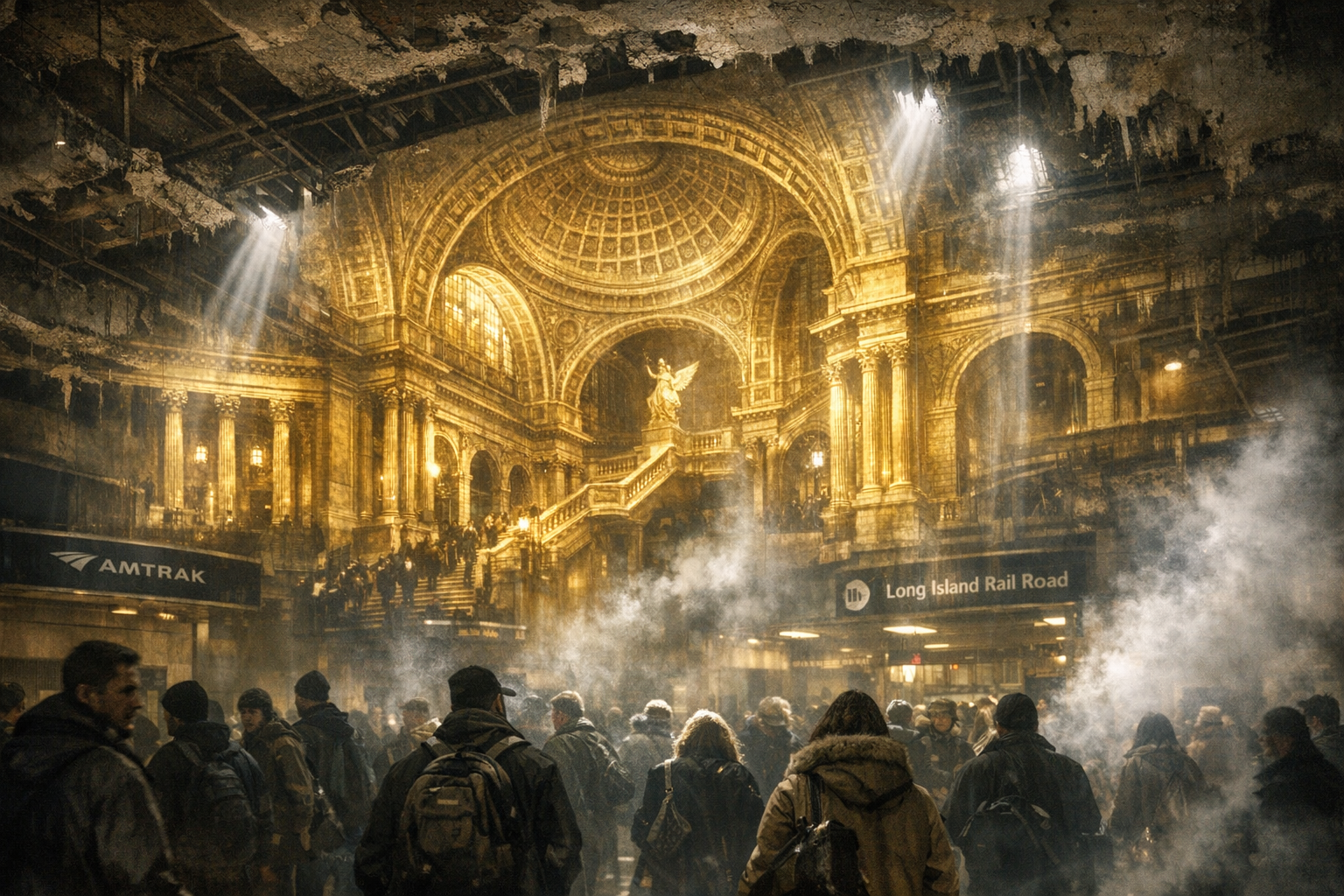
The scaffolding is going up, but the curtain remains firmly drawn on what insiders are calling the greatest real estate mystery in modern Manhattan. A coalition of furious New York officials rallied outside the grimy bowels of Penn Station this week, not to celebrate its long-promised rebirth, but to demand answers from a Trump administration they accuse of executing a breathtakingly opaque power grab. The project, now under federal control with Amtrak at the helm, has selected its “master developer”—a consortium called Penn Transformation Partners featuring real estate heavyweight Vornado—but how, why, and for what ultimate price remains a state secret.
“We deserve to know who is paying for this project,” roared Congressman Jerrold Nadler, his voice echoing through the transit hellscape. “We deserve to know who benefits from these decisions and who gets left behind.” The accusation is stark: a “blatant attempt to steal money, land and power” from the city itself. With Governor Kathy Hochul refusing to open the state’s wallet further and the MTA pointedly refusing to sign cooperation papers, the entire multi-billion-dollar endeavor appears to be a federal fait accompli, dreamed up in D.C. boardrooms and imposed upon a skeptical city.
The few tantalizing details that have leaked are raising more eyebrows than hopes. The plan promises a “classical look” for Madison Square Garden’s exterior—a phrase that sends shivers down the spines of architecture critics who recall Trump’s gilded tastes. An new Eighth Avenue entrance and operational tweaks are promised, but the renderings are locked away, and the final cost is anyone’s guess. Transportation Secretary Sean Duffy has mumbled about $8 billion in federal funds, but in New York real estate, that’s often just the down payment.
The selection of Vornado-led Penn Transformation Partners as the chosen developer, without a transparent bidding process visible to local leaders, has sparked whispers of backroom deals and predetermined outcomes. Borough President Brad Hoylman-Sigal and Comptroller Mark Levine stood united in their outrage, representing a community and commuter base deliberately sidelined. For a project that will reshape a massive swath of midtown, the silence is deafening. Is this the visionary overhaul of a national disgrace, or is it a monument to something else entirely—a legacy-building vanity project, carved out of New York’s heart without its consent? The only thing clear is that the construction fences going up may be containing more than just debris; they’re walling off the truth.
Original article: Gothamist ▸