Trump's Shock Intel Deal Saves Market—Was It a Bailout?
As the Fed spooked markets, President Trump's surprise announcement of an Apple-Intel partnership sent stocks soaring, fueling speculation about politically-driven market manipulation.
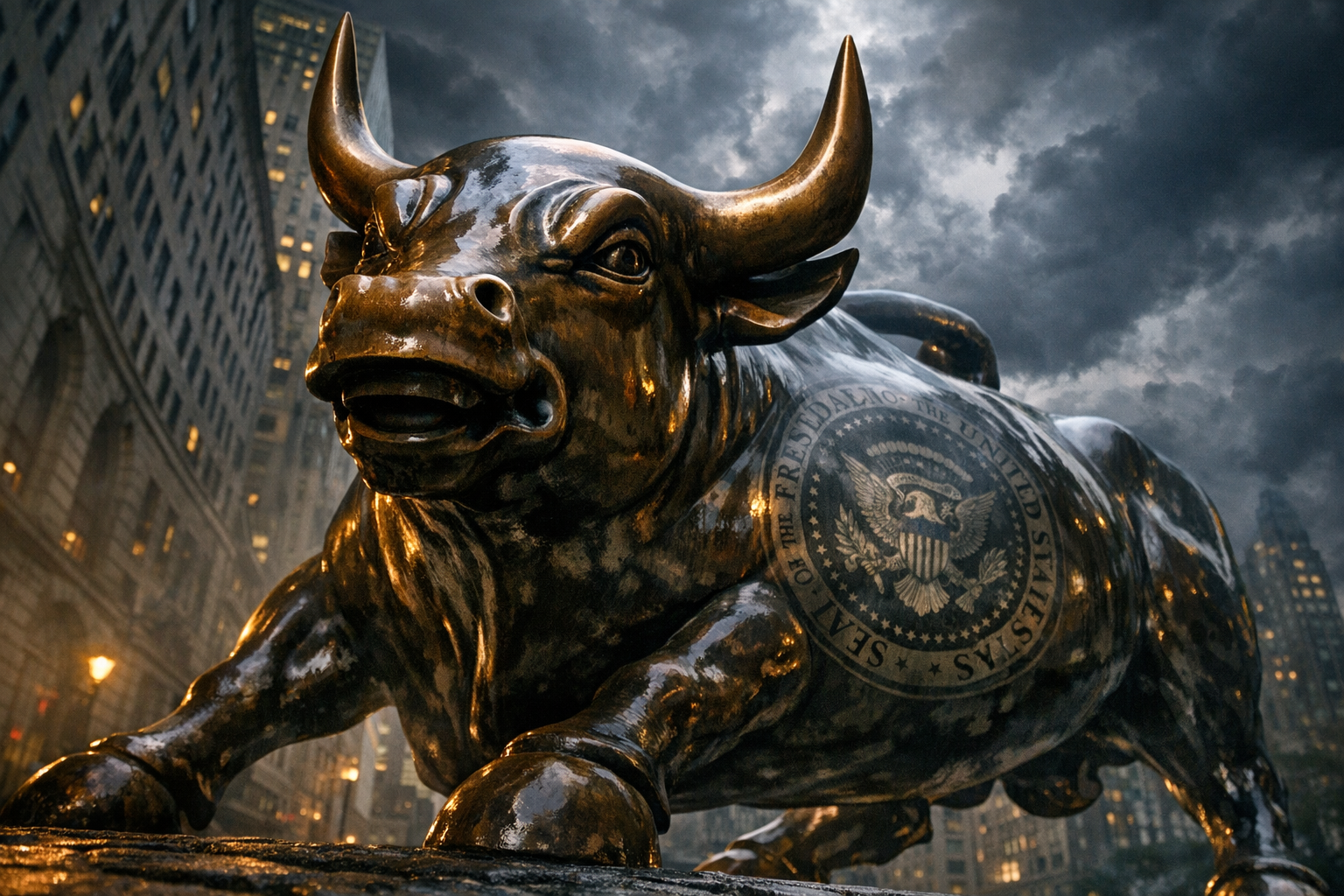
Just as Wall Street braced for a brutal comedown, a political deus ex machina descended from the Oval Office. With stocks reeling from the Federal Reserve’s hawkish whispers, President Donald Trump swooped in with a headline-grabbing announcement: a forced marriage between tech titan Apple and the once-floundering chipmaker Intel. The result? A market saved from the brink, and whispers of a politically-charged corporate bailout that has everyone talking.
The numbers don’t lie. Intel’s stock skyrocketed a staggering 10.6% on the news, dragging the entire semiconductor sector—and the Nasdaq—out of its despair. The S&P 500 clawed back over 1%. But behind the green arrows and bullish analyst quotes, a more scandalous narrative is brewing. Was this a genuine strategic masterstroke, or a heavy-handed presidential intervention designed to juice the markets and anoint a favored American company? Critics are already calling it ‘industrial policy by tweet.’
Let’s set the scene. The Fed, under new chairman Kevin Warsh, had just sent a shiver through trading floors by hinting that interest rate hikes weren’t just a nightmare, but a 2026 possibility. The ‘dot plot’ turned ominous. Then, like a cinematic hero arriving in the third act, Trump unveiled the partnership, shifting the entire financial news cycle overnight. The timing, as they say in both Hollywood and Washington, was impeccable.
Gene Munster of Deepwater Asset Management called it a ‘promotion’ for Intel back to the ’top tier.’ But let’s be blunt: this is the ultimate VIP pass. One announcement from the Commander-in-Chief, and a company that had been playing second-fiddle to Nvidia and AMD is suddenly dancing with Apple, the world’s most valuable company. The implication is deliciously scandalous: in today’s economy, a presidential endorsement might be worth more than quarterly earnings.
While Kroger’s stock tanked on missed earnings and SpaceX’s post-IPO glow continued to fade, the chosen one—Intel—rode the political wave. The question now haunting boardrooms from Silicon Valley to Wall Street is: who’s next on the presidential call sheet? In a market increasingly swayed by headline volatility, the most valuable asset might not be a balance sheet, but a direct line to the West Wing.
Original article: CNBC ▸