Fort Hood Massacre Butcher Faces Rare Firing Squad Fate
Nidal Hasan, the Fort Hood shooter, will be executed by firing squad in the first U.S. military execution of its kind since WWII.
WASHINGTON—Justice, delayed for over a decade and a half, is finally coming with a thunderous, brutal roar. Nidal Hasan, the former U.S. Army major who turned a Texas military base into a slaughterhouse in 2009, has been sentenced to die not by the quiet needle of lethal injection, but by the raw, visceral justice of a firing squad. In a move that screams of frontier finality, President Donald Trump has approved the Pentagon’s recommendation, scheduling the first military execution by firing squad since the era of World War Two.
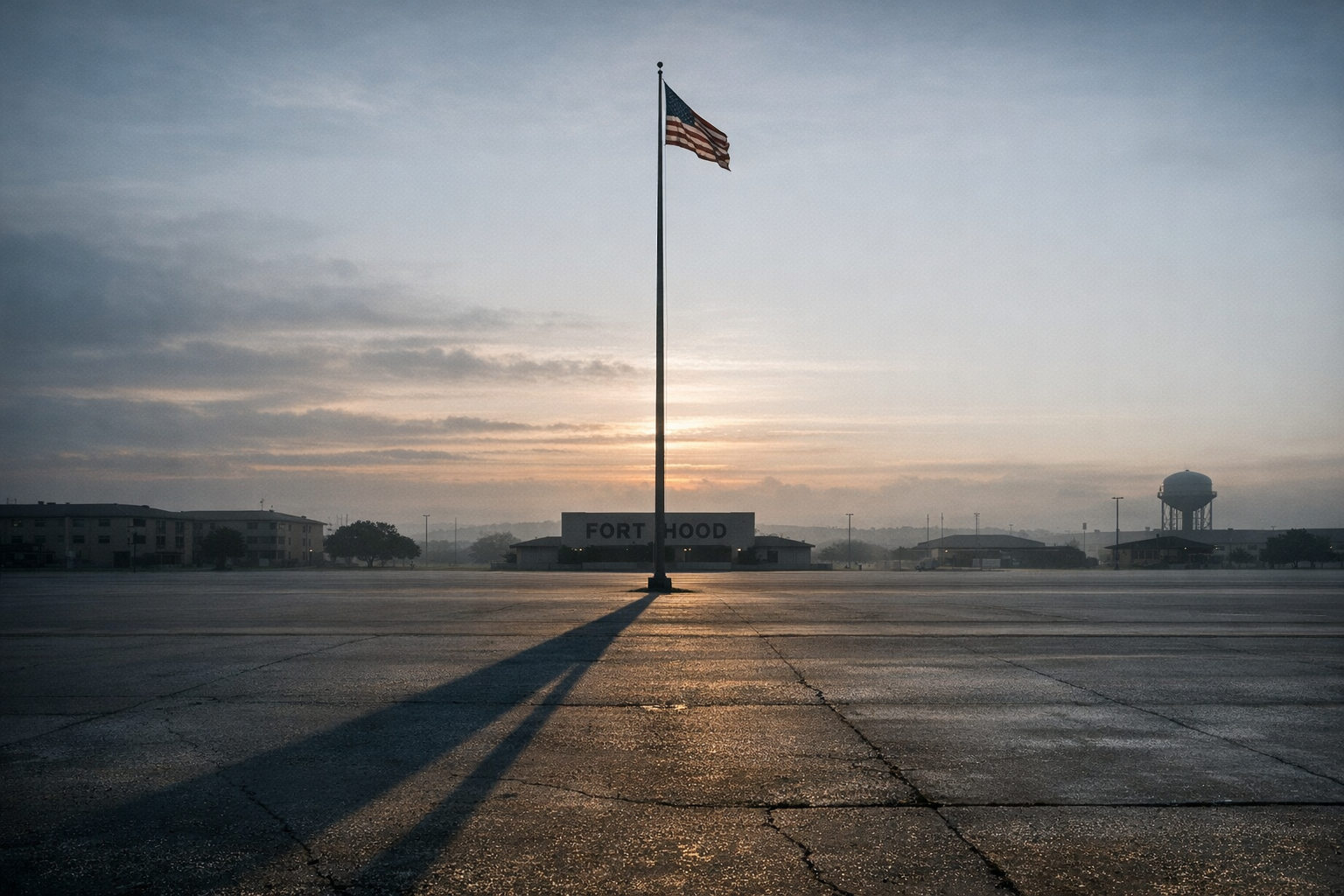
The scene of the upcoming execution is steeped in cruel irony: Fort Hood itself, where on a grim November day, Hasan opened fire in a crowded medical building, cutting down 13 unarmed soldiers and wounding 32 others in the deadliest non-combat attack on a U.S. military base. His victims were young men and women awaiting routine medical checks, their lives stolen by a man who chillingly told a court he believed he was ‘protecting Muslims.’
This isn’t just an execution; it’s a seismic shift in America’s relationship with the death penalty. Trump, a fervent proponent of capital punishment, revived the federal death penalty on his first day back in office, tearing up the moratorium left by his predecessor. Now, his administration is reaching back into history’s darkest chapters for a method so stark it shocks the modern conscience. Only a handful of states still allow the firing squad, making this a rare and deliberately symbolic choice.
The bureaucratic machinery of military justice is now grinding toward its grim conclusion. The execution, set for early December, requires a labyrinth of appellate reviews and final judgments. Hasan currently sits as one of only four inmates on the military’s death row, a testament to the rarity of such a sentence in the armed forces.
Legal experts and ethicists are already clashing over the spectacle. Some see it as a fitting, Old Testament-style retribution for a crime of unimaginable betrayal. Others warn it reduces the state to the level of the killer, trading clinical procedure for organized violence. But for the families of the 13 slain soldiers, and the dozens whose lives were forever scarred, it represents a long-denied closure, delivered with the brutal simplicity of a bullet.
As the date approaches, the world will watch a nation grapple with the most primal form of justice. The firing squad, a relic of a bygone era, is being resurrected for a crime that shattered the modern military’s sense of security. It’s a decision that doesn’t just end a life—it makes a statement written in gunpowder and blood.
Original article: BBC News ▸