Trump's Dangerous Mideast Dance With A Desperate Iran
A fragile pause in U.S.-Iran strikes masks frantic diplomacy and political peril for Trump, with the region teetering on the brink of wider war.
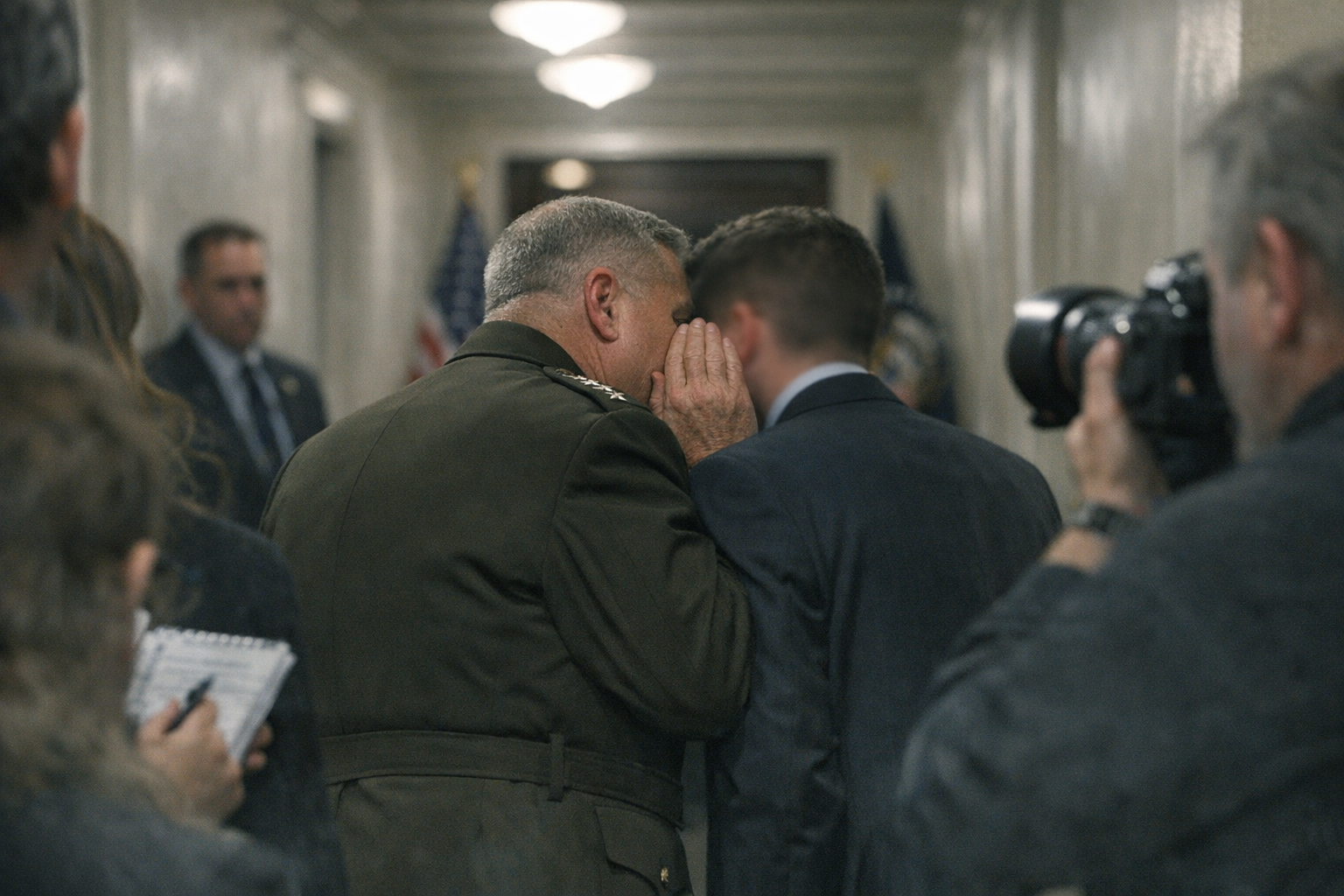
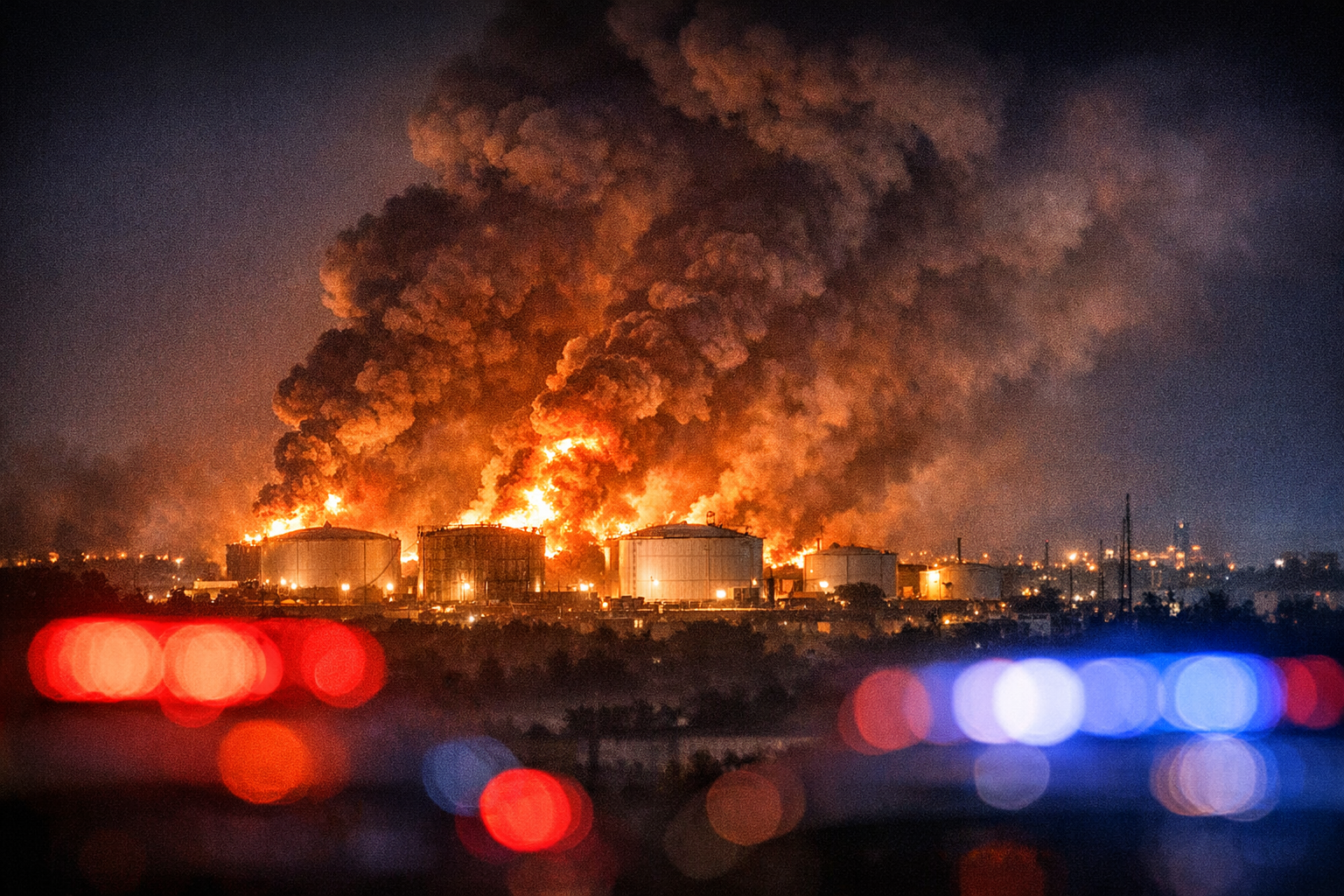
The bombs have stopped falling—for now—but the air in Washington and Tehran is choked with more tension than the smog over the Strait of Hormuz. After 13 consecutive nights of U.S. airstrikes pounding Iranian coastal defenses, bridges, and infrastructure, an eerie, fragile silence has descended. Is it the calm before a cataclysmic storm, or are President Donald Trump and Iran’s fractured leadership secretly scrambling for an off-ramp from a war that’s bleeding them both dry? Behind closed doors, a frantic diplomatic pas de deux is underway, mediated by Oman, with whispers of a compromise that would reopen the vital oil chokepoint. But with Israeli PM Benjamin Netanyahu landing in D.C. next week, the stage is set for a betrayal or a bloodbath.
The stakes are apocalyptic and deeply personal for Trump. The war, sparked alongside Israel last February, has sent gas prices soaring—a political poison pill for Republicans facing November’s midterms. Trump’s bravado is showing cracks. ‘I’m not in a hurry,’ he insisted from the Oval Office, even as he admitted his team is weighing whether to ’take them apart piece by piece’ or negotiate. This is the definition of governing by gut and gall, a high-wire act over a region ready to ignite. Regional mediators hint that both sides desperately want to claw back to June’s ceasefire, but only if Iran loosens its stranglehold on the world’s oil artery.
Iran’s own house is divided, a snake pit of factions where any concession to the ‘Great Satan’ could be seen as fatal weakness. Yet, the economic noose is tightening. The U.S. naval blockade is active, with a second merchant ship just disabled for trying to run it. Meanwhile, Iran’s Houthi proxies in Yemen are firing missiles at Saudi Arabia, threatening another critical strait. The entire Middle East is a powder keg, and Trump is playing with matches, threatening escalation one minute and touting diplomacy the next.
The scandal here isn’t just the potential for all-out war; it’s the sheer, chaotic volatility of it all. There is no plan, only pressure and posturing. As one expert noted, the U.S. is trying to ’negotiate with words and also to negotiate with force.’ It’s a dangerous game of chicken where the prize is control of a waterway that funds empires and the cost is global stability. As the world holds its breath, waiting to see if the lull in strikes becomes a lasting peace or a prelude to hell, one thing is clear: the fate of the market, the election, and the region rests on the mercurial whims of two desperate powers dancing on the edge of the abyss.
Original article: Associated Press ▸