★ Satire Mon, Aug 17, 2026 Instagram Tip Line
No. 442
Daily Gossip
Too Juicy to Ignore
All the hot gossip from around the world. All true!
Salacious News
Advertisement
science · Exclusive

SpaceX Shatters Record With Secret Military Launch

Elon Musk's SpaceX launches two rockets 38 minutes apart, breaking its own record and sending a secretive military payload into orbit under a veil of…
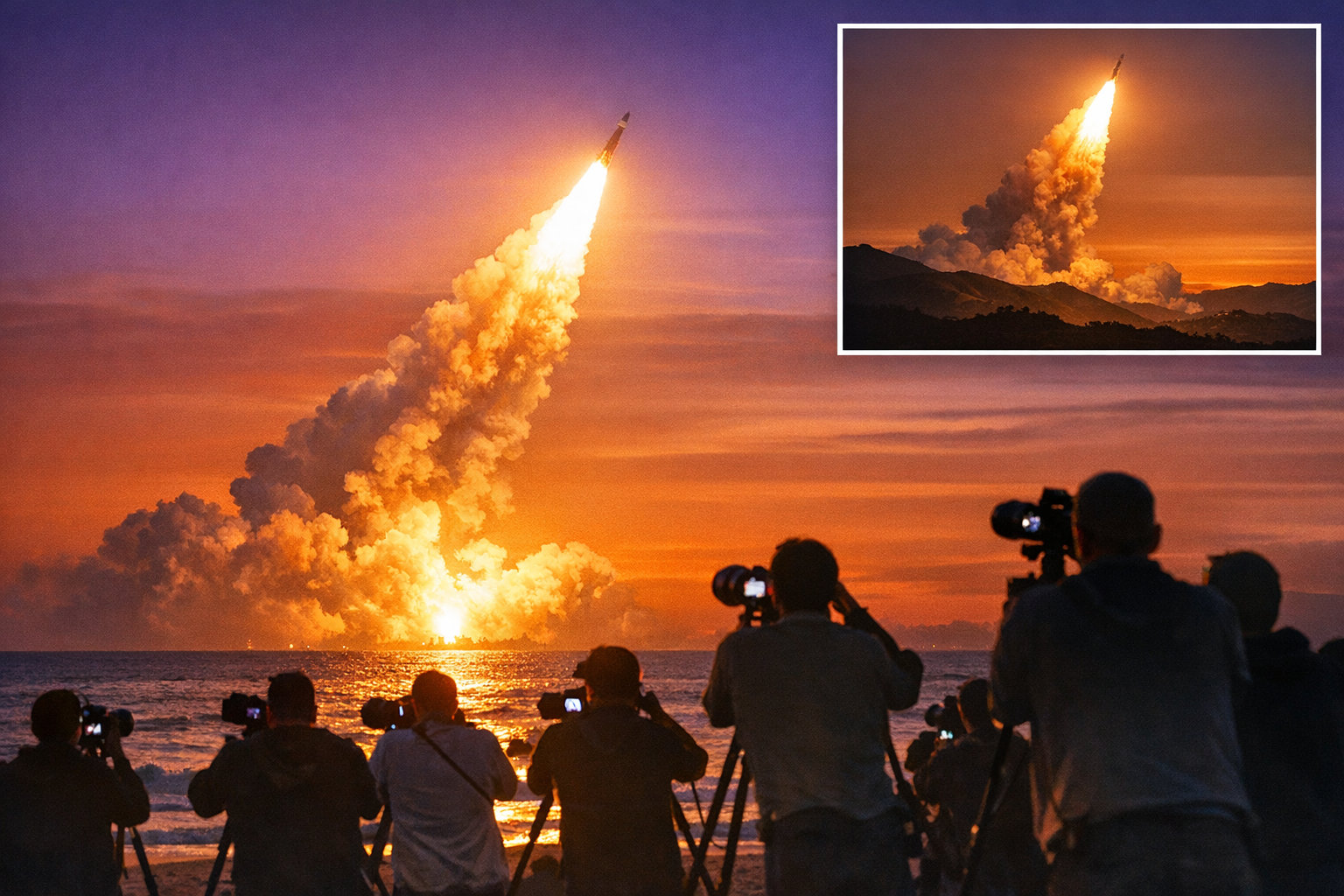
SpaceX Shatters Record With Secret Military Launch
Photo illustration · Salacious News

Move over, NASA—Elon Musk is putting on a two-rocket show that would make even James Bond’s Q division blush. In a display of cosmic chutzpah that blurred the line between Silicon Valley swagger and Pentagon secrecy, SpaceX lit up both American coasts with a record-shattering double launch, all while slipping a mysterious, classified payload into the heavens.

Advertisement

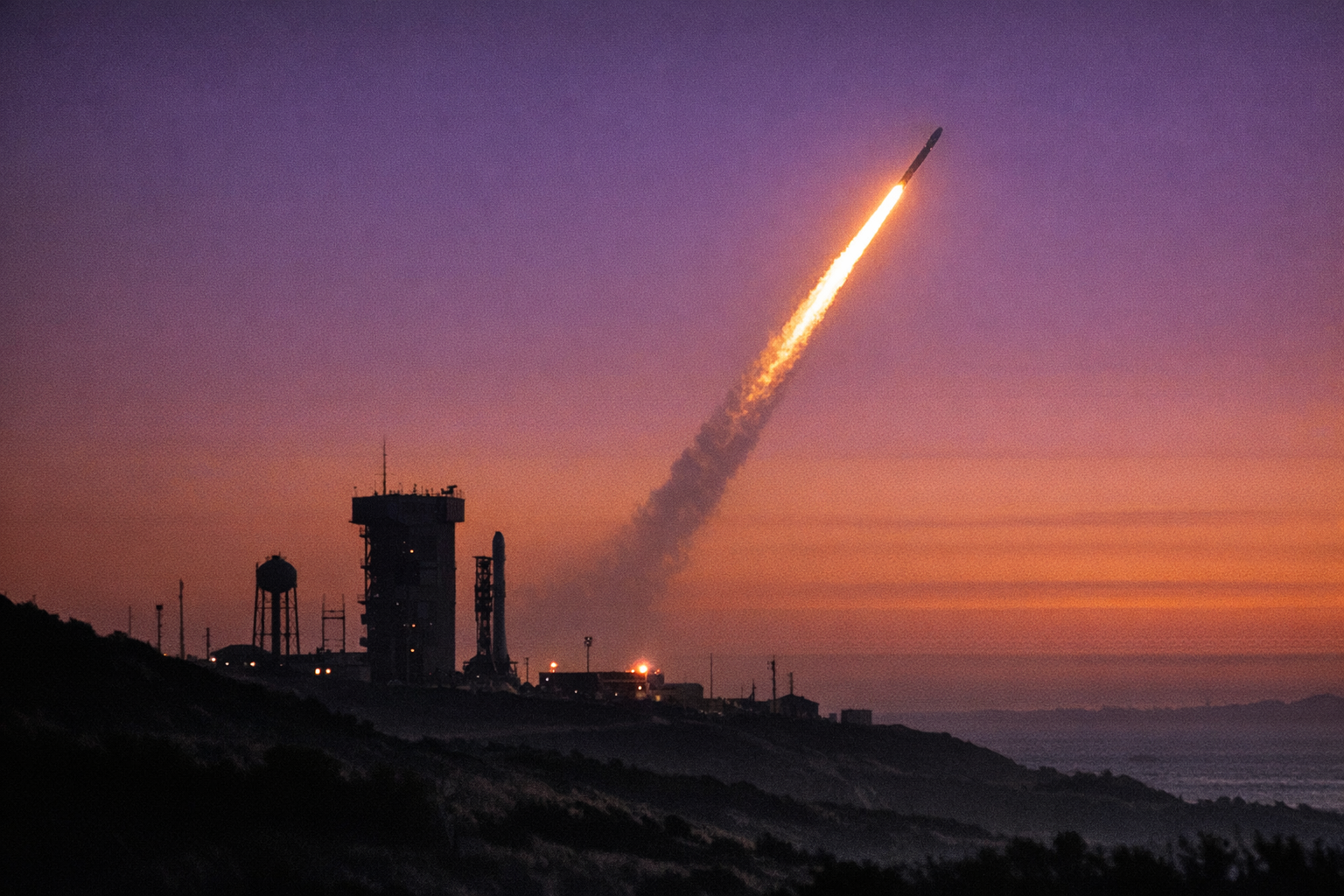
The countdown to chaos began at 9:12 p.m. EDT on Saturday, when a Falcon 9 roared to life from Florida’s Cape Canaveral, ferrying eight telecom satellites for company Globalstar. But before the echo of that launch had even faded from the Florida swamps, another beast was awakening on the opposite side of the continent. Just 38 minutes later—a mere blink in the grand scheme of the cosmos—a second Falcon 9 pierced the California twilight from Vandenberg Space Force Base.

This wasn’t just any mission. Dubbed USSF-366, this launch was for the U.S. Space Force, and details are scarcer than a honest politician. The company’s live feed went dark shortly after liftoff, a classic move for these black-budget ballet performances. Rocket-watching sleuths, however, are whispering that the payload is likely a batch of classified low-Earth orbit satellites built on SpaceX’s hush-hush ‘Starshield’ platform—a militarized cousin of the ubiquitous Starlink.

Think about it: while you were scrolling through your weekend streaming queue, Musk’s empire was essentially conducting a military drill in space, proving it can attack the orbital arena from two fronts in under an hour. The implications are staggering. This isn’t just about delivering internet to remote cabins; it’s about establishing dominance in the final frontier, where national security and corporate ambition collide in a shower of rocket exhaust.

Both missions featured picture-perfect landings, of course. The Florida booster touched down for its 14th victory lap, while its California counterpart made a graceful descent onto a droneship named with typical Muskian irony: ‘Of Course I Still Love You.’ It was that booster’s 18th trip to the stars and back—a testament to a reuse philosophy that’s turning spaceflight into a commute.

With this spectacular stunt, SpaceX has now launched a mind-boggling 96 Falcon 9 rockets this year alone. About 75% of those are for Starlink, quietly weaving a corporate-controlled mesh around our planet. But it’s missions like USSF-366 that raise the real questions: in this new space race, who exactly is calling the shots? And what secrets are we launching into the eternal black, hidden behind the dazzling spectacle of a Saturday night light show?

Original article: Space.com ▸

Around the Web

Sponsored Links · powered by ad network

More in science

Advertisement
science · Exclusive

SpaceX Shatters Record With Secret Military Launch

Elon Musk's SpaceX launches two rockets 38 minutes apart, breaking its own record and sending a secretive military payload into orbit under a veil of…

SpaceX Shatters Record With Secret Military Launch

Move over, NASA—Elon Musk is putting on a two-rocket show that would make even James Bond’s Q division blush. In a display of cosmic chutzpah that blurred the line between Silicon Valley swagger and Pentagon secrecy, SpaceX lit up both American coasts with a record-shattering double launch, all while slipping a mysterious, classified payload into the heavens.

Advertisement

The countdown to chaos began at 9:12 p.m. EDT on Saturday, when a Falcon 9 roared to life from Florida’s Cape Canaveral, ferrying eight telecom satellites for company Globalstar. But before the echo of that launch had even faded from the Florida swamps, another beast was awakening on the opposite side of the continent. Just 38 minutes later—a mere blink in the grand scheme of the cosmos—a second Falcon 9 pierced the California twilight from Vandenberg Space Force Base.

This wasn’t just any mission. Dubbed USSF-366, this launch was for the U.S. Space Force, and details are scarcer than a honest politician. The company’s live feed went dark shortly after liftoff, a classic move for these black-budget ballet performances. Rocket-watching sleuths, however, are whispering that the payload is likely a batch of classified low-Earth orbit satellites built on SpaceX’s hush-hush ‘Starshield’ platform—a militarized cousin of the ubiquitous Starlink.

Think about it: while you were scrolling through your weekend streaming queue, Musk’s empire was essentially conducting a military drill in space, proving it can attack the orbital arena from two fronts in under an hour. The implications are staggering. This isn’t just about delivering internet to remote cabins; it’s about establishing dominance in the final frontier, where national security and corporate ambition collide in a shower of rocket exhaust.

Both missions featured picture-perfect landings, of course. The Florida booster touched down for its 14th victory lap, while its California counterpart made a graceful descent onto a droneship named with typical Muskian irony: ‘Of Course I Still Love You.’ It was that booster’s 18th trip to the stars and back—a testament to a reuse philosophy that’s turning spaceflight into a commute.

With this spectacular stunt, SpaceX has now launched a mind-boggling 96 Falcon 9 rockets this year alone. About 75% of those are for Starlink, quietly weaving a corporate-controlled mesh around our planet. But it’s missions like USSF-366 that raise the real questions: in this new space race, who exactly is calling the shots? And what secrets are we launching into the eternal black, hidden behind the dazzling spectacle of a Saturday night light show?

Original article: Space.com ▸

Around the Web

Sponsored ad network

More in science

NASA to Rescue Blue Origin After Catastrophic Launchpad Kaboom
science

NASA to Rescue Blue Origin After Catastrophic Launchpad Kaboom

JalopnikSat, Aug 1, 2026
ISS Caught Speeding: Earth's Most Wanted Orbit Violator
science

ISS Caught Speeding: Earth's Most Wanted Orbit Violator

Supercarblondie.comThu, Jul 16, 2026
Cosmic Cold Shoulder—Why Uranus and Neptune Get No Love
science

Cosmic Cold Shoulder—Why Uranus and Neptune Get No Love

Space DailySun, Jun 28, 2026