SpaceX Secretly Fills Sky with 27 More Starlink Spies
SpaceX launches another 27 mysterious Starlink satellites amid growing fears over privacy and orbital domination.
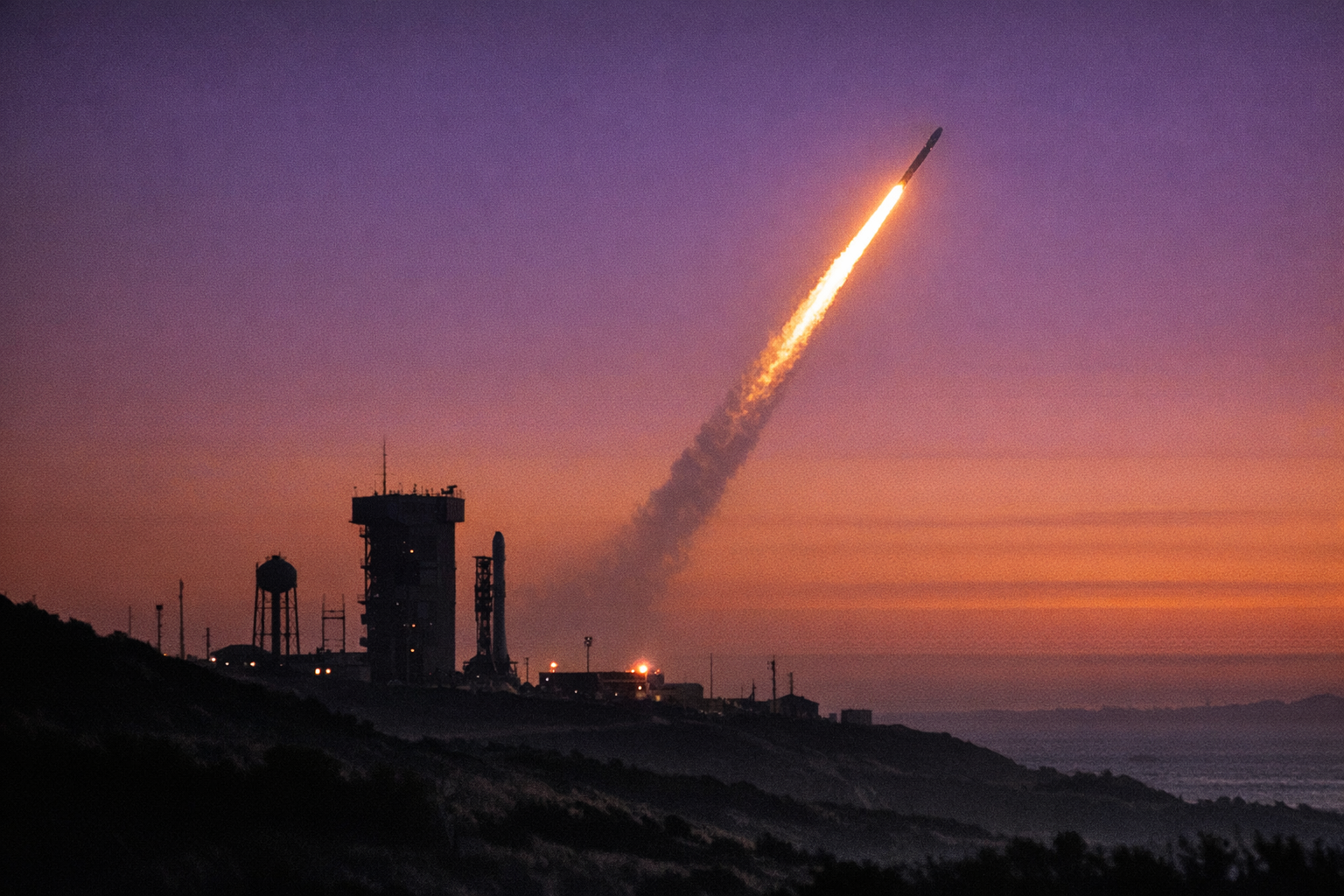
Under the cover of a picturesque California dusk, SpaceX executed another flawless—and eerily routine—mission to cloak the heavens in its corporate constellation. A Falcon 9 rocket, its booster on its 17th joyride to space and back, tore through the twilight from Vandenberg Space Force Base, carrying 27 so-called ‘Starlink V2 Mini’ satellites to their secretive orbits. To the millions who saw the fiery plume hugging the coast, it was a beautiful spectacle. To the paranoid, it was Elon Musk stitching another thread in his global surveillance blanket.
The booster, dubbed B1093 with the casual affection of a reused coffee cup, completed its dance flawlessly: launch, separation, and a picture-perfect landing on the Pacific droneship ‘Of Course I Still Love You.’ This was the 225th landing on that lovelorn vessel, a statistic that screams industrial efficiency but whispers orbital domination. With 662 booster landings to date, SpaceX isn’t just launching rockets; it’s building a conveyor belt to low-Earth orbit, and what it’s carrying is the subject of intense speculation.
While the official line is ‘global internet connectivity,’ the timing and technical specifics of these ‘Optimized’ V2 Minis raise eyebrows. Launched on a southeast trajectory, these 27 new eyes join a fleet of thousands, their true capabilities guarded closer than the formula for Coke. Are they beaming broadband to rural villages, or are they high-resolution spies monitoring everything from crop yields to troop movements? In the halls of the Pentagon and the apartments of tin-foil-hat enthusiasts, the belief is the same: the sky is no longer the limit—it’s a corporate-military canvas.
The mission, Starlink 15-27, slipped its payload into orbit just over an hour after liftoff, a silent deployment for a supposedly benign purpose. But in an era where a single billionaire controls a significant portion of the world’s active satellites, the word ‘benign’ feels naïve. This launch, the 81st Starlink mission this year alone, proves one thing: the new space race isn’t between nations, but between one man’s ambition and the world’s privacy. The final frontier isn’t being explored; it’s being patented, one flawless landing at a time. Sleep tight, planet Earth. The stars are watching.
Original article: Spaceflight Now ▸