★ Satire Thu, Oct 15, 2026 Instagram Tip Line
No. 565
Daily Gossip
Too Juicy to Ignore
All the hot gossip from around the world. All true!
Salacious News ⌕
Advertisement
science · Exclusive

Time Lords Plot to Sever Earth From the Clock

Global timekeepers vote to abolish the leap second, potentially decoupling official time from Earth's rotation and risking digital upheaval.
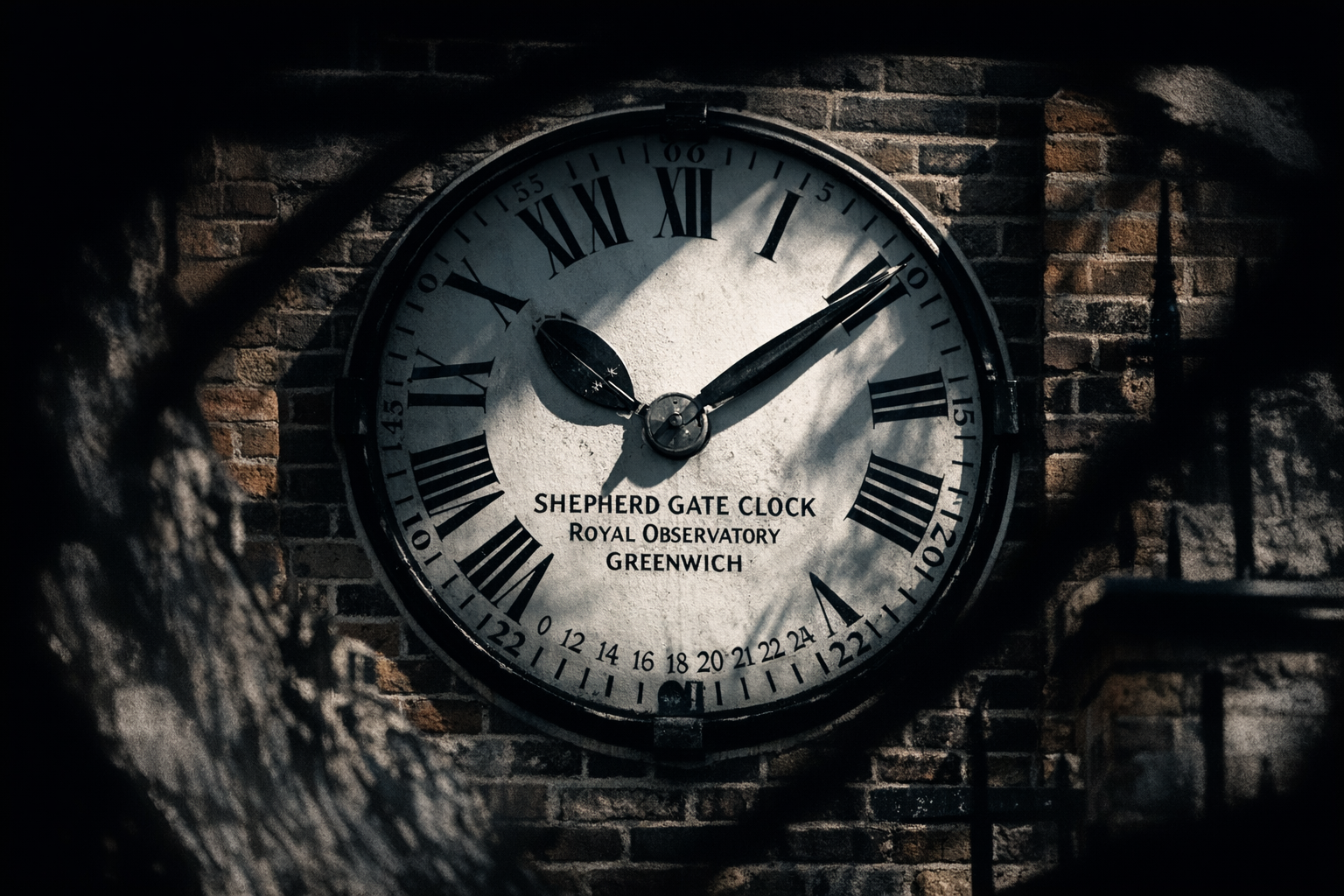
Time Lords Plot to Sever Earth From the Clock
Photo illustration · Salacious News

In a clandestine meeting that sounds ripped from a sci-fi thriller, the world’s top timekeepers are preparing to commit the ultimate act of rebellion: divorcing time itself from the spin of our planet. The humble leap second—a tiny, almost imperceptible adjustment added 27 times since 1972 to keep atomic clocks in sync with Earth’s wobbly rotation—is facing execution. And the fallout could send shockwaves through every stock trade, every internet search, and every power grid on the globe.

Advertisement

The International Bureau of Weights and Measures is set to vote on a resolution to abolish the leap second by 2027, moving to a continuous, unadjusted time standard. Their argument? Earth is a “lousy” clock. Its rotation is inconsistent, influenced by the moon’s pull, molten core sloshes, and—in a deliciously scandalous twist—melting polar ice caps due to climate change. Our planet simply can’t keep up with the pristine, unerring tick-tock of lab-grown atomic clocks.

But the real scandal isn’t planetary shame; it’s digital chaos. Past leap second introductions have famously crashed Reddit, grounded Qantas booking systems, and caused cloud servers to weep. Tech titans like Meta have labeled it “a major source of pain.” Now, timekeepers warn of something even more terrifying: a negative leap second. Because Earth’s rotation has recently been speeding up, we might soon need to subtract a second for the first time ever. The digital world, built on precise time stamps, is allegedly “largely unprepared” for such a reverse, potentially triggering a Y2K-level financial panic.

The proposed fix is as radical as the problem: let time drift. Let atomic clocks, the heartbeat of our modern world, slowly wander away from solar time. They propose a new, shocking limit: let them drift apart by up to a full hour. It would take millennia to reach that point, effectively kicking the problem to future generations—a move some call pragmatic, others cowardly.

Traditionalists, of course, are aghast. They speak of an “intrinsic relationship” between humans and the sun’s journey across the sky, of the intellectual comfort of a time tied to our world’s rhythm. Severing that link, they whisper, is an arrogant, profound disconnect from the natural world. The vote this week isn’t just about a second; it’s about choosing between the cold logic of the machine and the imperfect pulse of the planet. The clock is ticking.

Original article: KSL.com ▸
Around the Web

Sponsored Links · powered by ad network

More in science

Advertisement
science · Exclusive

Time Lords Plot to Sever Earth From the Clock

Global timekeepers vote to abolish the leap second, potentially decoupling official time from Earth's rotation and risking digital upheaval.

Time Lords Plot to Sever Earth From the Clock

In a clandestine meeting that sounds ripped from a sci-fi thriller, the world’s top timekeepers are preparing to commit the ultimate act of rebellion: divorcing time itself from the spin of our planet. The humble leap second—a tiny, almost imperceptible adjustment added 27 times since 1972 to keep atomic clocks in sync with Earth’s wobbly rotation—is facing execution. And the fallout could send shockwaves through every stock trade, every internet search, and every power grid on the globe.

Advertisement

The International Bureau of Weights and Measures is set to vote on a resolution to abolish the leap second by 2027, moving to a continuous, unadjusted time standard. Their argument? Earth is a “lousy” clock. Its rotation is inconsistent, influenced by the moon’s pull, molten core sloshes, and—in a deliciously scandalous twist—melting polar ice caps due to climate change. Our planet simply can’t keep up with the pristine, unerring tick-tock of lab-grown atomic clocks.

But the real scandal isn’t planetary shame; it’s digital chaos. Past leap second introductions have famously crashed Reddit, grounded Qantas booking systems, and caused cloud servers to weep. Tech titans like Meta have labeled it “a major source of pain.” Now, timekeepers warn of something even more terrifying: a negative leap second. Because Earth’s rotation has recently been speeding up, we might soon need to subtract a second for the first time ever. The digital world, built on precise time stamps, is allegedly “largely unprepared” for such a reverse, potentially triggering a Y2K-level financial panic.

The proposed fix is as radical as the problem: let time drift. Let atomic clocks, the heartbeat of our modern world, slowly wander away from solar time. They propose a new, shocking limit: let them drift apart by up to a full hour. It would take millennia to reach that point, effectively kicking the problem to future generations—a move some call pragmatic, others cowardly.

Traditionalists, of course, are aghast. They speak of an “intrinsic relationship” between humans and the sun’s journey across the sky, of the intellectual comfort of a time tied to our world’s rhythm. Severing that link, they whisper, is an arrogant, profound disconnect from the natural world. The vote this week isn’t just about a second; it’s about choosing between the cold logic of the machine and the imperfect pulse of the planet. The clock is ticking.

Original article: KSL.com ▸
Around the Web

Sponsored ad network

More in science

Secret Planet Found Hiding In Our Solar System
science

Secret Planet Found Hiding In Our Solar System

ZME Science●Thu, Oct 8, 2026
Inside the Star-Making Forge of Earth's Hottest Fusion Drama
science

Inside the Star-Making Forge of Earth's Hottest Fusion Drama

ScienceAlert●Fri, Oct 2, 2026
Seafloor Stunner: Two New Sexy Spiders Discovered
science

Seafloor Stunner: Two New Sexy Spiders Discovered

NPR●Tue, Sep 29, 2026