
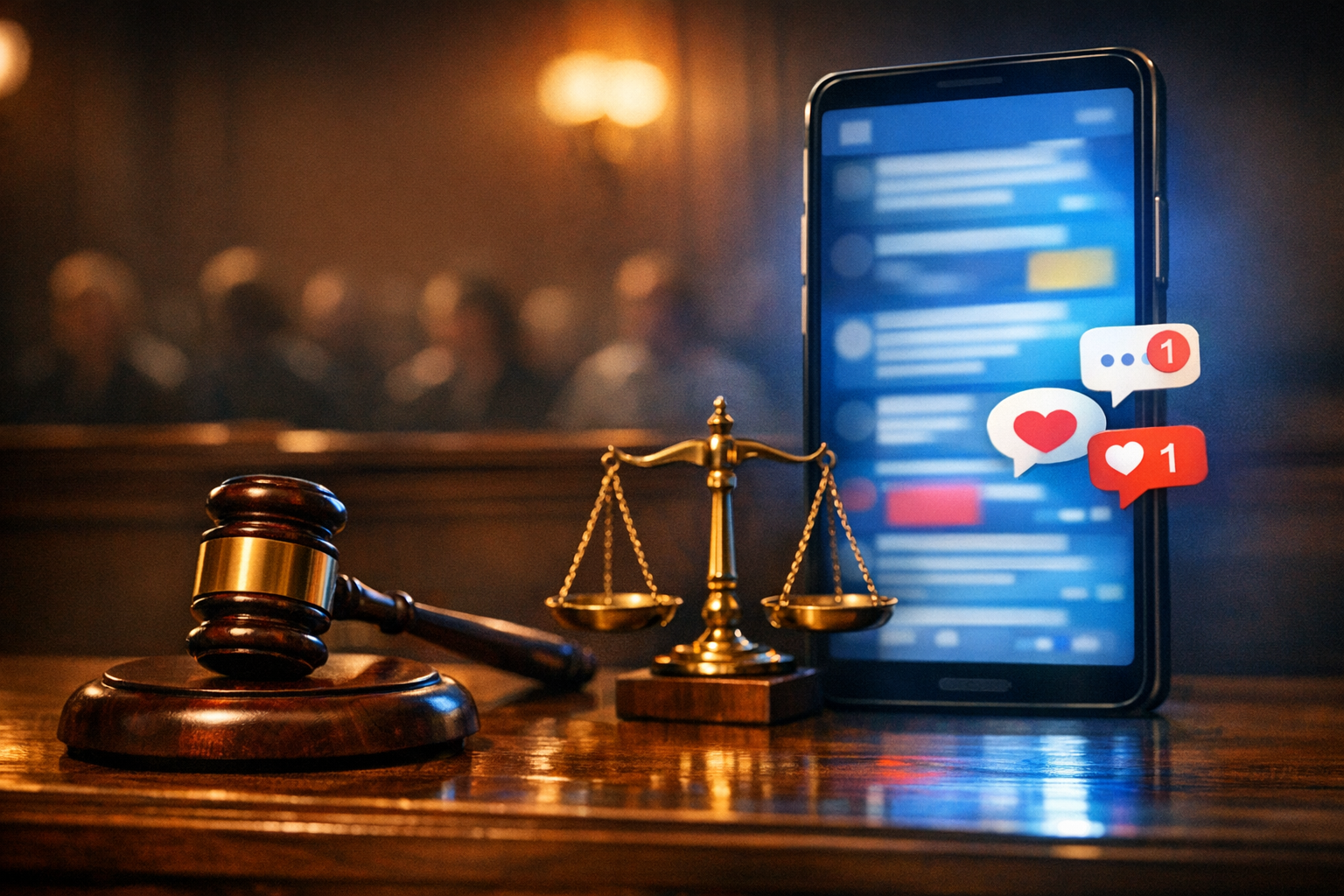
Pull up a chair and let me spill: two different juries just sent shockwaves through Silicon Valley, and Meta and YouTube are right at the center of the drama. In back‑to‑back verdicts, jurors found Meta liable in a New Mexico case over a platform allegedly becoming a breeding ground for predators, and then a California panel said Meta and YouTube knowingly designed addictive experiences that hurt a young woman’s mental health and failed to warn families.
Yes, darling, actual juries — regular people, not tech insiders — weighed the receipts and ruled. The awards were small this round, but here’s the kicker: there are hundreds more cases queued up. If this pattern repeats, we’re talking real money and, even juicier, forced changes to how these platforms hook teens in the first place.
Advocates who’ve been shouting into the wind for years are suddenly feeling vindicated. Julianna Arnold, who founded Parents RISE! after losing her daughter Coco and blames Instagram, all but snapped her fingers on CNN: “Now we have the proof.” Translation: the stories families have told about algorithmic rabbit holes and relentless pings just got courtroom backup.
The companies aren’t taking this lying down. Meta says teen mental health is deeply complex and can’t be pinned on a single app, and it’s appealing. Google, speaking for YouTube, insists the Los Angeles case misunderstands YouTube entirely — calling it a responsibly built streaming platform, not a social network. Both point to safety investments already on the books: parental control dashboards, “take a break” nudges, default privacy for teens, content filters, and even bedtime notification limits.
But the safety crowd wants something spicier: sweeping design overhauls that put the brakes on engagement traps for young users. Think fewer dopamine-ding notifications, less pressure-cooker streak mechanics (yes, features like Snap Streaks are on their wish list), and real guardrails that don’t rely on kids to police themselves. In testimony, the California plaintiff, Kaley, described turning notifications off — only to feel that familiar FOMO tugging her back to see who watched, who liked, and who commented.
Here’s the salon-floor read: this is the first time juries have delivered a public verdict on whether big platforms are safe for young people, and that changes the energy. Even modest payouts can snowball into massive penalties and mandatory redesigns if more panels agree. For now, the appeals are coming, the PR machines are humming, and the stakes — from app notifications to algorithmic nudges — have never looked glossier or more precarious.