
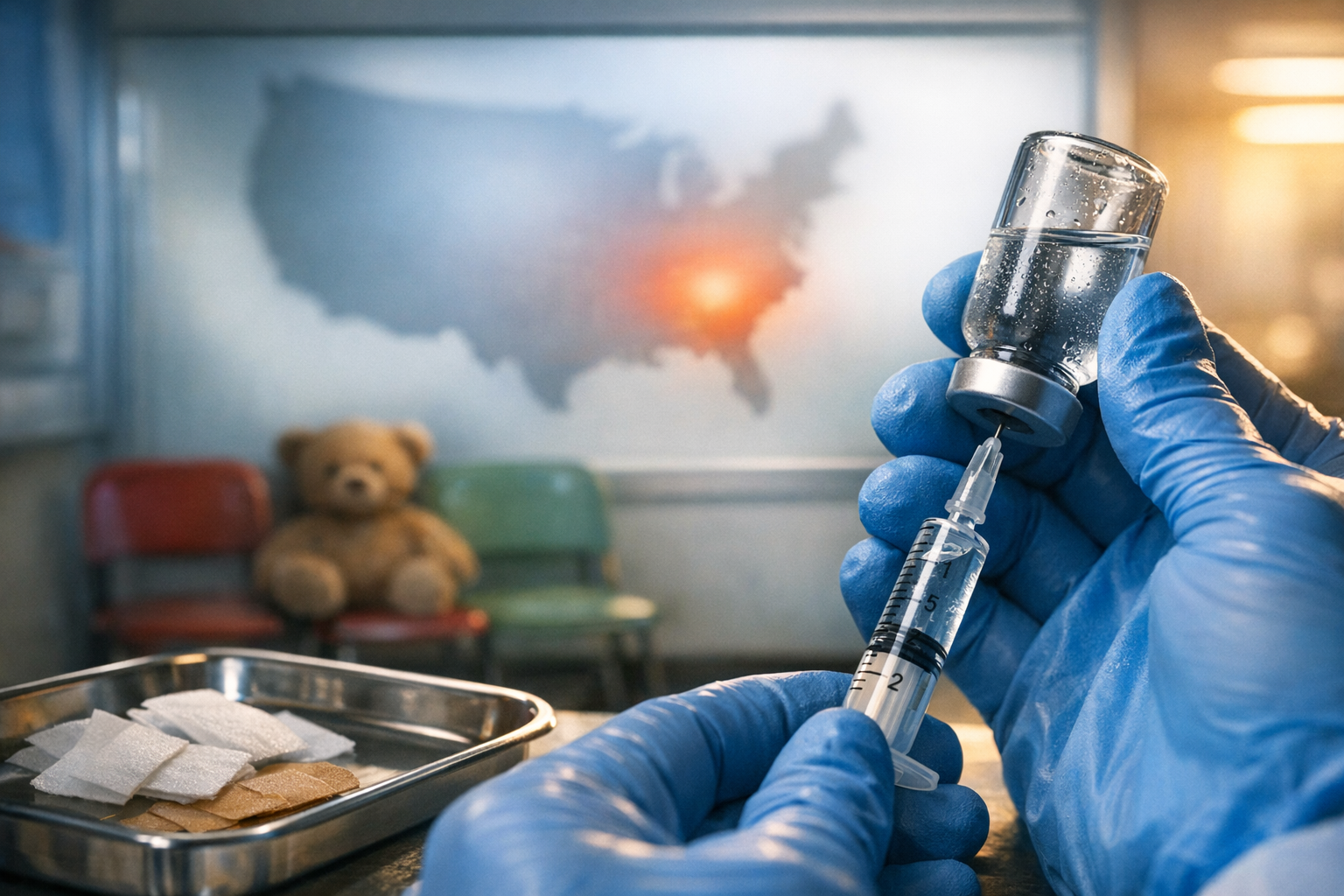
Pull up a chair, darling, because South Carolina is serving the biggest public health plot twist in decades. More than 840 measles infections have been reported since October—yes, more than Texas had last year—making it the largest U.S. measles outbreak since the disease was declared eliminated over a quarter-century ago. The headline-grabber? Most cases are in unvaccinated children and adults, and the virus isn’t being coy about where it’s mingling.
The epicenter is the Spartanburg area, where vaccination coverage has dipped below the level needed to halt transmission. Toss in the national slide in measles vaccination rates—fueled in part by rising religious exemptions to school immunization requirements—and you’ve got clusters of susceptible folks that are basically rolling out a red carpet for one of the most contagious viruses on the scene.
So what does this Carolina cliffhanger mean for the rest of the country? When community immunity weakens, measles doesn’t politely stay local. Travel between states, mingling in schools and day cares, and gatherings can easily seed new flare-ups in communities with similar immunity gaps. The ripple effects can be messy: strained clinics and hospitals, contact tracing marathons, quarantines, and lots of families juggling missed school and work.
Public health voices are sounding a familiar but urgent refrain: keep vaccination coverage high enough to stop transmission. That means catch-up shots for those who fell behind, double-checking immunization records, and making it easy and convenient for families to get protected. It also means taking a hard look at how exemptions are granted and ensuring they don’t widen pockets of susceptibility. Communication is key—clear, empathetic, consistent messaging helps people navigate concerns without leaving openings for a fast-moving virus.
If you’re wondering why measles gets VIP treatment in the worry department, here’s the tea: it spreads with astonishing ease, and it loves crowded, close-contact settings. While most people recover, outbreaks carry serious risks and require major public health resources. That’s why experts keep stressing that measles thrives not because it’s new, but because it’s opportunistic—ready to pounce whenever immunization walls sag.
Bottom line: South Carolina’s outbreak is a cautionary tale with national implications. The combination of waning vaccination coverage and growing exemption clusters is exactly the kind of backstage drama that lets measles steal the spotlight again. Until coverage rebounds to the robust levels that once kept the virus off the U.S. stage, expect more close calls—and more urgent reminders that prevention is still the star of the show.